Using video is one of the fastest ways in which you can build a connection with your audience, and platforms, like YouTube, make it really easy to highlight your brand. Before you decide to upload your latest video, there are a couple of things you need to do. In this video, I back up the truck (catch that in the video) and break down exactly how to brand yourself on YouTube.
Goals & Getting It Down
The whole goal for going on YouTube is to highlight your brand experience. Now, the one key portion that you shouldn’t overlook is your branding! Ah, ha. Yes, it all comes down to those subtle yet powerful and effective cues. Specifically, you’ll need to brand your YouTube channel art, thumbnail, and watermark, to name a few elements. In addition to these items, don’t forget your old reliable, signature colors and fonts.
Big Benefits
Once you have your elements in place, you’ll ensure that your channel is professionally showcased. Not only that, but you’ll also, once again, send out those cues that remind people of your unique style. Your audience will get a feel for your videos and will become trained to spot them among the many other videos on the YouTube.
Getting Started
If you’re still green with your branding but ready to make your mark, I invite you to join the free, RAW BRANDED® 5-day branding challenge. I’ll work with you each of the five days to get your branding in order. You’ll get a full understanding of how to arrive professionally branded on all digital spaces as well as strategies for executing your brand.
If you haven’t started using video to build your brand, you’re missing out on a lot! Through this visual exchange, you’re able to showcase the person or team behind the brand. In this video I outline 5 ways to use video for brand building.
Why Video?
Right now, video is among, if not, the fastest tool that you can use to forge a relationship with your audience. As I mentioned in this video, a good way to get people to “get it” is to get them to get you! It’s not about a gimmick but actually being real—RAW BRANDED.
You can also use video to infotain. No, this doesn’t mean that you’re putting on a sideshow. However, when using video, you will need to capture people’s attention. This is where you can marry the provision of information with entertainment. Allow yourself to think far and away, outside the box. #DontBeBoring
Additional Tips
Want additional bonus tips on how to use video for brand/business building?
Sign up and become a RAW BRANDED Insider. Once you’re an Insider, you’ll get exclusive tips and opportunities to next level your efforts.
While I outline 5 ways to use video for brand building, I also encourage you to share your advice and strategies by commenting below.
Are there other ways in which video can be used for brands?
Have you heard the term that consistency breeds familiarity? Well, it’s a popular saying for a reason—It’s true. If you’re an introvert, like me, you know it’s hard to juggle growing a business while staying energetically balanced! When it comes to brand building, we don’t want to spread ourselves thin. Right? So, coming on camera for some people, whether it’s recorded or LIVE, can be a lot. BUT there’s no need to worry! There are a couple of solutions you can adopt to stay consistent.
First, you can batch record everything. Yes, oh, yes. It’s all about being craftier with our time. Once you have everything already scripted and prepped, you can take a chunk of time to go on camera. After your filming is settled and out of the way, you can take a break and spend another day editing everything. Words to the wise: Don’t overlook the beauty of batch recording!
I explain details in the video above, beginning at 5:08. Chime in below and explain how you stay consistent while brand building.
Newsflash. There are 7 billion brands in the world … and counting!
“Gasp! How is that?” you ask.
That’s because each person is a brand. This means that you should always steer your brand’s direction.
Now, the end game for many brands is to be profitable. However, for personal brands and businesses, particularly if your business is being a brand, there is one key element that’s needed today—authenticity.
We’re not talking about a gimmick or nonsensical jargon. This goes beyond having a competitive factor or personality. All brands need to showcase what they actually bring to the table. Yes, oh, yes. Get ready and pull up a seat. In a nutshell, brands today need to literally “keep it real.”
Why It Matters
When brands authentically convey their values, beliefs, and goals, this truly resonates with the public. In fact, it is believed that millennials have spurred the need for authentic branding. With $200 billion in annual spending power, millennials tend to seek brands that are trustworthy, according to a study by Elite Daily.
However, they are not alone. Approximately 65% of people that feel an emotional connection to a brand, say it’s because “they care about people like me,” according to a study by Customer Thermometer. Cue Sally Field’s famous response, “You like me. You really really like me.”
How To Build It
Personal brands and businesses can demonstrate their “care factor” by actually caring about their audience … and not just saying so. By showing and not just telling, brands are able to build trust with consumers and clients. The winning ingredients: transparent and honest communications.
Really real brands, the ones that I like to believe are RAW BRANDED®, are deeply in tune with their core values. These values move beyond their mission statements and pervade their marketing efforts. Authentic brands not only communicate these values, but they also walk the talk. This is critical since 80% of consumers said that the “authenticity of content” is the most influential factor that drives them to follow a brand, according to data by Slideshare.
Larger brands have caught on to this and shifted gears in their promotions. Dove, a Unilver brand known for its line of soaps, is big on empowering women and campaigning for real beauty. The brand has been using real women in its campaigns to demonstrate its values and attract female buyers.
However, Dove is also exemplary of when forced authenticity falls flat. In 2017, the company drew backlash from an ad campaign showcasing a Black woman seemingly transitioning into a White woman via Dove’s product. Although Dove believes that this message wasn’t its original intent, the brand received criticism, boycotts, and lost followers. Consumers were baffled at how a brand that totes diversity could approve such offensive content. Dove stands as a marked example of how authenticity fuels consumers’ trust and why this is essential.
Buffer, the social media scheduling tool, is yet another brand that is showcasing its authenticity by being consciously transparent. Embracing a self-described “default to transparency,” Buffer holds onto this notion as part of its core values. This is further demonstrated by Buffer’s actions. The company publishes employees’ salaries and financial reports on its website as a means of being open and accessible to the public, thereby walking the talk.
How To Make It Profitable
All brands can be authentic and profitable by first being conscious of their core values and beliefs. They should also be aware of how this aligns with the right audience, since like attracts like. The whole goal is to remain true to your brand and to build a relationship with your audience around these shared beliefs. This is how trust is formed and you become more likely to attract people who are willing to pay for your offerings.
In addition, consistency in your message is also key, as it means that you are never deviating from these core values. Hence, you avoid pulling a fast one on your audience and having to do damage control!
Where To Get More Information
Need more clarity on how to build an authentic and profitable brand? Join the RAW BRANDED® Masterclass,How To Build An Authentic & Profitable Brand. Save your seat and don’t miss out!
In all my chatter about brands, I realize that many people are still confused about what a brand really is. Pull the brakes! It’s time to go back to basics.
In this video, I take us back to fundamentals by describing and decoding what a brand really is. In a nutshell, a brand is everything people think of when you or your business is mentioned–for good or for bad! It is all about perceptions, people’s sense of you or your business. This video will walk you through the basics.
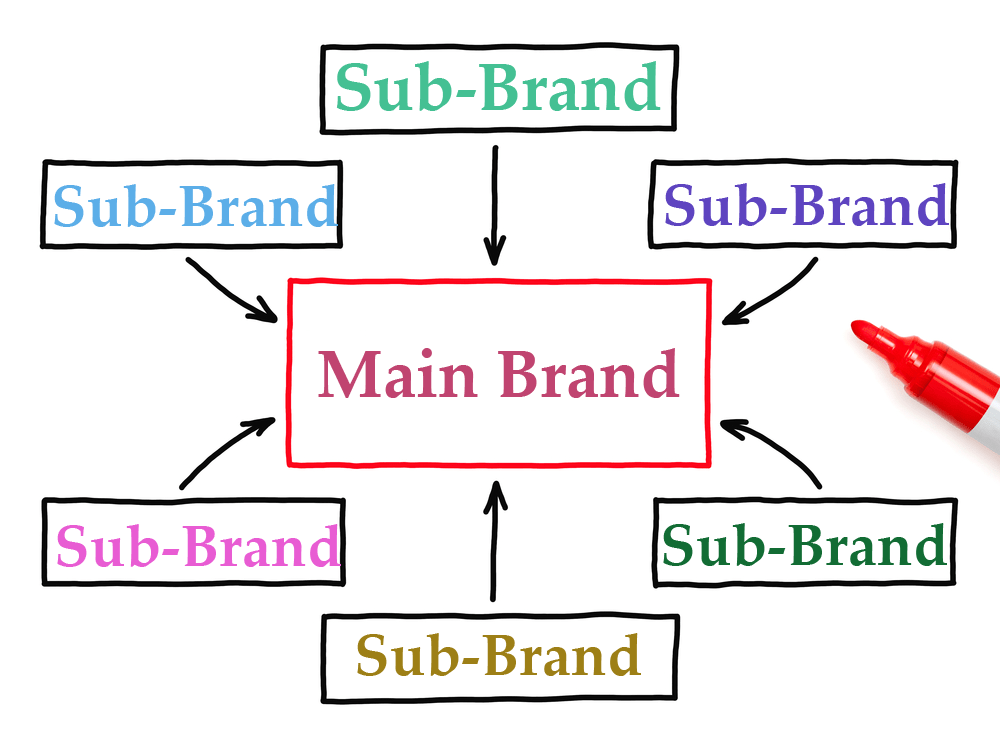
If you’re reading this post, your business or your personal brand may be at the stage in which you can scale and introduce a sub-brand(s). Congratulations! Before you debut your new efforts, there are several things to consider. I’ll show you the way through my 5 tips that you should use to create strong sub-brands.
1. Pinpointing The Personalities
Never, never forget your target audience. Is your sub-brand for the same group as your main brand, or is this an entirely different animal? If you’re unsure, revisit the needs in which your brand and sub-brands seek to address. Do they align, or are they completely different? This will indicate whether or not you’re serving the same groups of people.
Once you know your audience, you should use this information to shape your brand and sub-brand(s) personalities. The tone and feel of your sub-brand and brands will need to match its targets and should inform your marketing efforts. Consider this: Will the story for your sub-brand be the same, or have we entered a new genre?
2. Positioning The Product
Whether the sub-brand you are introducing is a product or a new venture for your personal brand, consider its relationship to your main brand. This is where a brand architecture comes into play. Much like an organizational chart, you need to decide if your sub-brand will complement your main brand or conflict with the ideals of your main brand. If your sub-brand jibes with your main brand, you can piggyback off of your main brand’s marketing campaigns. However, if your sub-brand is freestanding, you’ll need to distinguish it as such to avoid confusing your audience(s).
Separate But Equal
Case in Point: Clorox has a single brand that has extended into different categories, including bleach, toilet bowl cleaners, and disinfecting wipes. Since the main brand and sub-brands serve the same purpose, the message and sub-branding elements (logos, packaging, etc.) can remain the same or similar to the main brand to increase familiarity with the new product.
Another Case in Point: Honda prides itself in producing reliable vehicles and uses this as part of its main brand. It also has several sub-brands that tie-in with Honda, including the Civic and Accord. The sub-brands each offer different uses and shine on their own, but they still sit visibly under the Honda umbrella.
Different Strokes for Different Folks
There may be cases in which your sub-brand doesn’t connect with the main brand and needs to stand out on its own.
Case in Point: Disney is known for its family-friendliness. When the company decided to embrace edgier, R rated films, it introduced Touchstone. While Touchstone is still under the Disney wing, it is framed as its own entity, with a different audience, goal, and appeal than Disney.
Similarly, Proctor & Gamble is known to produce several, distinct sub-brands that don’t have any affiliation with one another. The line-up includes Old Spice, Gillete, and Pampers. The company proudly states on its website, “P&G is made of many individual brands, each serving customers in different ways—but all with a focus on making peoples’ lives a little easier.” There is the core P&G mission but the execution of these sub-brands are quite unique. Now, have you ever seen the Old Spice guy with pampers in hand? Ummmm, didn’t think so.
The right positioning of your sub-brand(s) will always enhance your main brand, whether this is through an intentionally visible relationship or solely through financial gains. ~ Renée Walker
3. Connecting or Disconnecting
Whether you decide to tie-in your sub-brand or differentiate it, there are a couple of ways in which you can strategically do so. You can use traditional marketing efforts, including the creation of unique names and messages for your sub-brands. Since visuals make an immediate impact, you can breed familiarity by leveraging your existing logo to create a new or complimentary icon. Although they may be seemingly insignificant, colors and fonts should be carefully considered in this process.
Case in Point: Apple Inc. The software giant has a line-up of its ever popular services that include the iPod, MacBook, and iCloud. The names of each item were obviously carefully considered when sub-branding. In addition, the sub-brands themselves work together to create cross pollination, also know as the Halo Effect. How many times have you heard of someone, connecting their iPod to their MacBook or downloading something from the iCloud to their MacBook? Each sub-brand proudly sports the Apple icon in addition to its own goal, but the promise and personality remains the same–Think Different.
4. Explaining The Experience
With the ability to launch sub-brands, it is important to explain the experiences that each division offers. This ensures that your audience does not become confused, and the right group is served. In addition, this strategy can introduce unintended audiences to your brand(s).
Case in Point: Toyota is yet another reliable car company with its own branding for a general audience, but when it decided to enter the luxury arena, the car company introduced its prestigious line of Porsche. Have you noticed that the Toyota commercials tend to feature families conducting everyday activities, while Porsche showcases apparently successful businessmen (yes, typically men) comfortably driving its exclusive vehicle? No, it is not a coincidence. It’s all an effort to distinguish the two brand experiences.
5. Diluting No, No
While sub-branding can help with entering a new category or introducing an extension, we must take care not to dilute the main brand itself. With all these lines and messages floating about, it is important not to have conflicting appeals and/or over saturation.
Case in Point: Armani. The fashion force has several sub-brands that include its entry level A/X and its exclusive Armani Black Label. This is just two of its multiple clothing lines, each one branded with complementary logos and its signature, classic appeal. However, in recent years, Armani’s push into the mid-priced market has been criticized for “eroding its luxury image,” no longer making it seem unique and causing the company to scale back its marketing efforts.
Word To The Wise
Sub-branding can be successful if done with foresight and careful planning. All members of your business or your personal brand’s team need to understand that consistency is necessary, whether it is for each individual brand or throughout your brand architecture. This will ensure that the right story is being told to the right audience with the right purpose. Got that … right?
We use cookies to ensure that we give you the best experience on our website. If you continue to use this site we will assume that you are happy with it.